
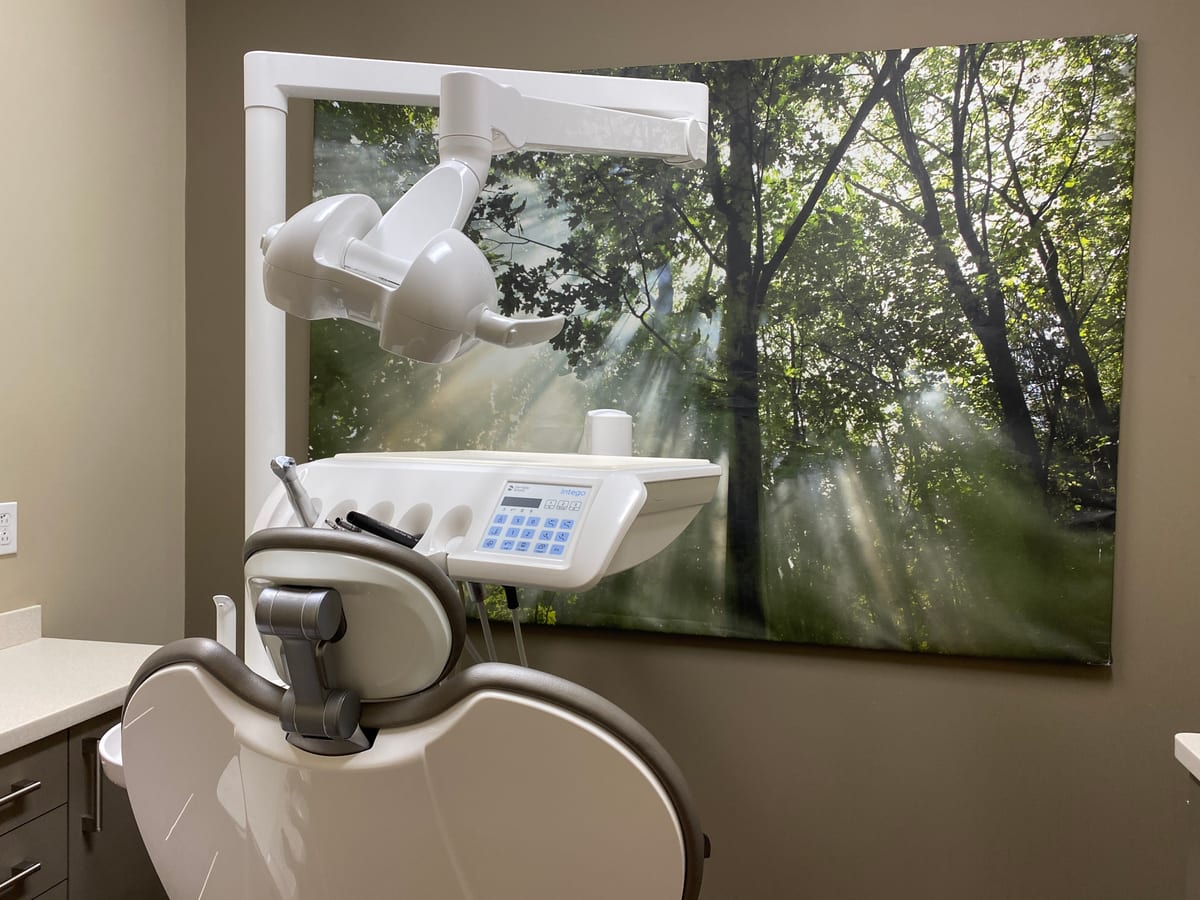
What it is
A dental cleaning removes the plaque and hardened tartar that brushing and flossing at home cannot reach. It is usually done by a dental hygienist and is often paired with a checkup, so small problems can be found early, while they are still easy to treat.
Step 1
Before your visit
- Brush and floss as you normally would. There is no need to do anything special.
- Bring a list of the medications you take, and mention any recent changes to your health.
- If a dentist or doctor has told you to take antibiotics before dental visits, follow that advice.
- Mention any spots that feel sensitive, sore, or bleed when you brush.
Step 2
During the visit
- The hygienist looks at your teeth and gums, and may measure the small spaces between your gums and teeth.
- Tartar is removed with small hand instruments, an ultrasonic scaler, or both. You may feel scraping or a light vibration.
- Your teeth are polished to lift surface stains, then flossed.
- Some visits also include X-rays, a fluoride treatment, or a short exam by the dentist.
Step 3
After and recovery
- Your gums may feel a little tender or bleed slightly for a day, especially if it has been a while.
- If you had fluoride, you may be asked to wait a short time before eating or drinking. Follow the instructions you are given.
- Keep brushing twice a day and cleaning between your teeth once a day.
- Your dental team will suggest when to come back, based on what they saw.
Common questions
Does a cleaning hurt?
Most people feel pressure and some scraping rather than pain. If an area is sensitive, say so. The hygienist can slow down, adjust, or talk with you about numbing options.
How often should I have a cleaning?
Many people come every six months, but it varies. People with gum disease or a lot of tartar are sometimes seen more often. Your dental team will recommend what suits you.
Why do my gums bleed during a cleaning?
Bleeding is often a sign of gum inflammation, usually from plaque along the gumline. It tends to improve with regular cleanings and daily brushing and flossing.